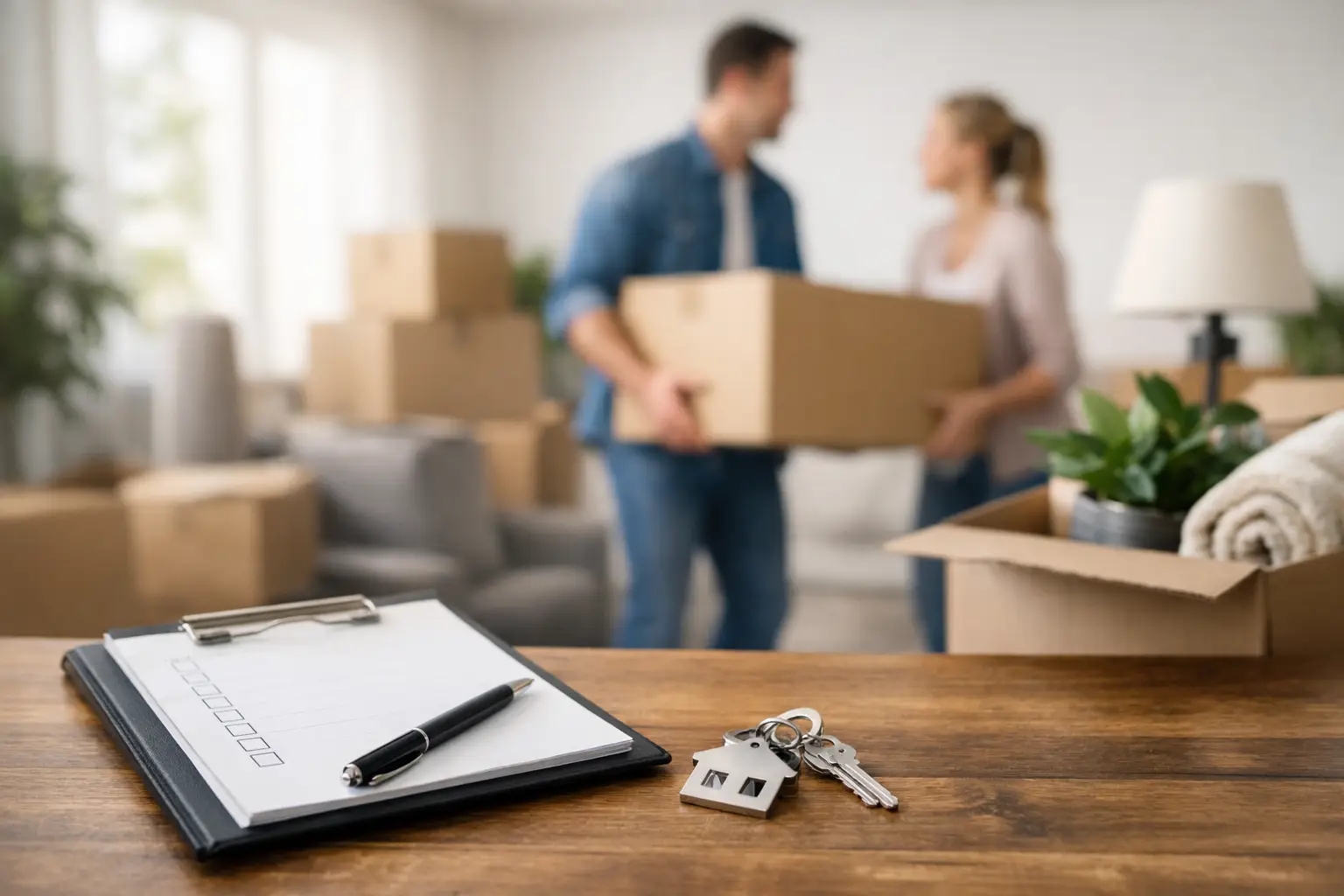
House Moving Checklist Guide for a Smoother Move
Use this house moving checklist guide to plan each stage, avoid missed jobs, cut stress and keep your move on time and on budget.
If you leave your move until the last week, the same problems show up every time - missed post, lost screws, boxes with no labels, and a van full of things that should have been binned weeks ago. A proper house moving checklist guide fixes that. It gives you a clear order for what to do, when to do it, and what can wait.
Moving house is rarely just about transport. It is admin, timing, access, packing, cleaning, key handovers and often trying to keep work and family life running as normal. The easiest way to reduce stress is to break the move into stages and deal with each one at the right time.
House moving checklist guide: start 4 to 6 weeks before
This is the stage where planning saves money and hassle later. First, confirm your moving date as early as possible. If the date is still shifting, work with the most likely window and keep anything flexible, such as packing non-essentials and sorting storage.
Book your removals team once the date is clear enough to act on. Good slots go quickly, especially at month-end, during school holidays and on Fridays. If you need packing help, furniture dismantling or short-notice availability, ask for that upfront rather than adding it at the last minute.
This is also the right time to reduce what you are taking. Go room by room and separate what you are keeping, donating, selling or throwing away. There is no point paying to move items you do not want in the new place. Heavy furniture, broken appliances and bags of old clothes all add time and cost.
Start collecting packing materials early. You will usually need strong boxes, packing tape, marker pens, labels and wrapping for fragile items. If you are packing yourself, do not rely on supermarket boxes alone. Mixed box sizes and weak cardboard make stacking harder and increase the risk of damage.
Sort the admin before it becomes urgent
A move creates more paperwork than most people expect. Set up a single list on your phone or on paper with every account and service that needs updating. That should include utilities, broadband, council tax, bank accounts, insurance, DVLA records, GP, school records and any regular subscriptions.
Royal Mail redirection is worth arranging in advance, especially if you are moving from a rented property or shared address where post can easily go missing. It is not forever, but it gives you breathing room while you update everyone properly.
If you are renting, check your tenancy agreement for notice periods, cleaning requirements and meter reading rules. If you own the property, keep all completion-day documents together so you are not searching for them while the removals team is waiting outside.
Two to three weeks before moving day
At this point, your checklist needs to become more specific. Start packing the rooms and items you will not need before the move. Books, spare bedding, out-of-season clothes, ornaments and rarely used kitchenware can all go early.
Label every box with both the room and the contents. Writing only “kitchen” is not enough when you need the kettle, mugs and tea bags in the first ten minutes. A simple label such as “Kitchen - everyday items” or “Main bedroom - clothes and chargers” saves time on the other side.
Take apart any furniture you are confident dismantling safely, and keep the fittings in labelled bags taped to the item or packed in a clearly marked box. If a wardrobe or bed is awkward, heavy or likely to get damaged, it is usually better to leave it to professionals.
Use this time to measure larger items against access points at the new property. Check door widths, stair turns, lift access and parking restrictions. A sofa that fits your current house does not always fit the next one. The same applies to fridge freezers, desks and wide headboards.
One week before the move
The final week is about control. Confirm the moving time, vehicle access and contact details with everyone involved. If keys are being collected from an agent or solicitor, check exactly when they will be released. Many delays happen because people assume key handover will be straightforward.
Plan what you need to keep aside rather than pack. This usually includes passports, house documents, wallets, medication, chargers, keys, basic toiletries, pet supplies and enough clothes for a couple of days. Keep these in a clearly separate bag that stays with you.
Food is another common issue. Use up what is in the fridge and freezer where possible. Moving chilled or frozen food is rarely practical unless the journey is short and the timing is tightly controlled. Keep meals simple in the last few days to avoid waste.
If you have children, pets or anyone vulnerable in the household, think carefully about moving day itself. In some cases, it is easier and safer for them to stay with family or friends until the heavy lifting is done.
Packing properly makes the move easier
Packing is where many moves start to go wrong. Overfilled boxes split. Underfilled boxes collapse. Unlabelled boxes waste time. Fragile items wrapped badly are more likely to be damaged even in a careful move.
Pack books in small boxes, not large ones. Keep plates upright with protective wrapping between them. Fill gaps in boxes so contents do not shift in transit. Do not mix cleaning liquids with clothes, electronics with loose cables, or sharp kitchen items with soft furnishings.
It also helps to think in terms of first-use and later-use. The best-packed home is not the one with the neatest stack of boxes. It is the one where the essentials can be found immediately at the new property.
If time is tight, professional packing can be worth it. It is not only about convenience. It can speed up loading, improve protection for breakables and remove a major job from an already busy week.
Moving day checklist
Start early, but do not create panic. Walk through the property once before loading begins and identify any items that are staying, any boxes marked fragile and anything that needs special handling.
Make sure pathways are clear. Move door mats, plant pots, bins and loose items that could slow the job down or cause trips. If parking is limited, reserve space where possible or at least plan the closest legal option. A lorry parked far from the front door means longer carrying times and a slower move.
Before you leave the old property, check every cupboard, loft space, shed, drawer and under-stairs area. People often remember the obvious rooms and forget the tucked-away storage spots. Take final meter readings and photos if needed, then lock up only once you are certain nothing has been left behind.
At the new property, direct boxes into the correct rooms from the start. It takes far less effort to place things properly once than to move them again later. Assemble the key furniture first - usually beds, sofa, dining table and anything needed for children.
What people forget in a house moving checklist guide
Most missed jobs are small, but they create avoidable stress. Cleaning supplies for the new property are often packed too deeply. So are kettle leads, toilet roll, chargers and basic tools. Keep a small first-night box handy with the practical items you would buy again immediately if you could not find them.
Another common miss is timing around broadband and utilities. Service transfers do not always happen on the day you expect, especially if the move date changes late. Have a backup plan for internet access if you work from home.
Insurance is worth checking too. Do not assume every stage of the move is covered automatically. It depends on who is packing, who is transporting and what policy is in place.
After the move
Once you are in, focus on function before appearance. Get the beds sorted, unpack the kitchen basics and make sure the bathroom is usable. After that, deal with boxes room by room rather than opening everything at once.
Then work through the final admin: confirm utility accounts, update any missed addresses and dispose of packing materials safely. If you have moved locally in places like Reading, Slough or Maidenhead, it can be tempting to treat unpacking as something you will “get round to”. That usually means half-unpacked boxes a month later.
A reliable move is not about doing everything at once. It is about doing the right jobs in the right order. If you want the process to feel manageable, keep your checklist simple, act early where timing matters, and get proper help for the heavy work when you need it. That is usually the difference between a stressful move and one that stays on track.
Get a free fixed written quote in 2 mins
Insurance up to £50,000 included · No cancellation fees · Free dismantling & reassembly

Our team of fully-insured removal specialists helps families across Slough, Windsor, Maidenhead and the wider Berkshire area move home every week. We pack, load, drive and unload boxes every day — every guide on this blog comes from real jobs, not theory.
Reviewed & fact-checked by Allah Nazar Ihsan — Founder & Managing Director, HomeGo Removals & Packing Ltd
Planning your move?
Get a free, no-obligation written quote from Berkshire's trusted independent removers. We're answering the phone right now — 24 hours a day, 7 days a week.