Can Movers Dismantle Furniture?
Can movers dismantle furniture? Yes - often, but it depends on the item, tools and service booked. Know what movers will and will not take apart.
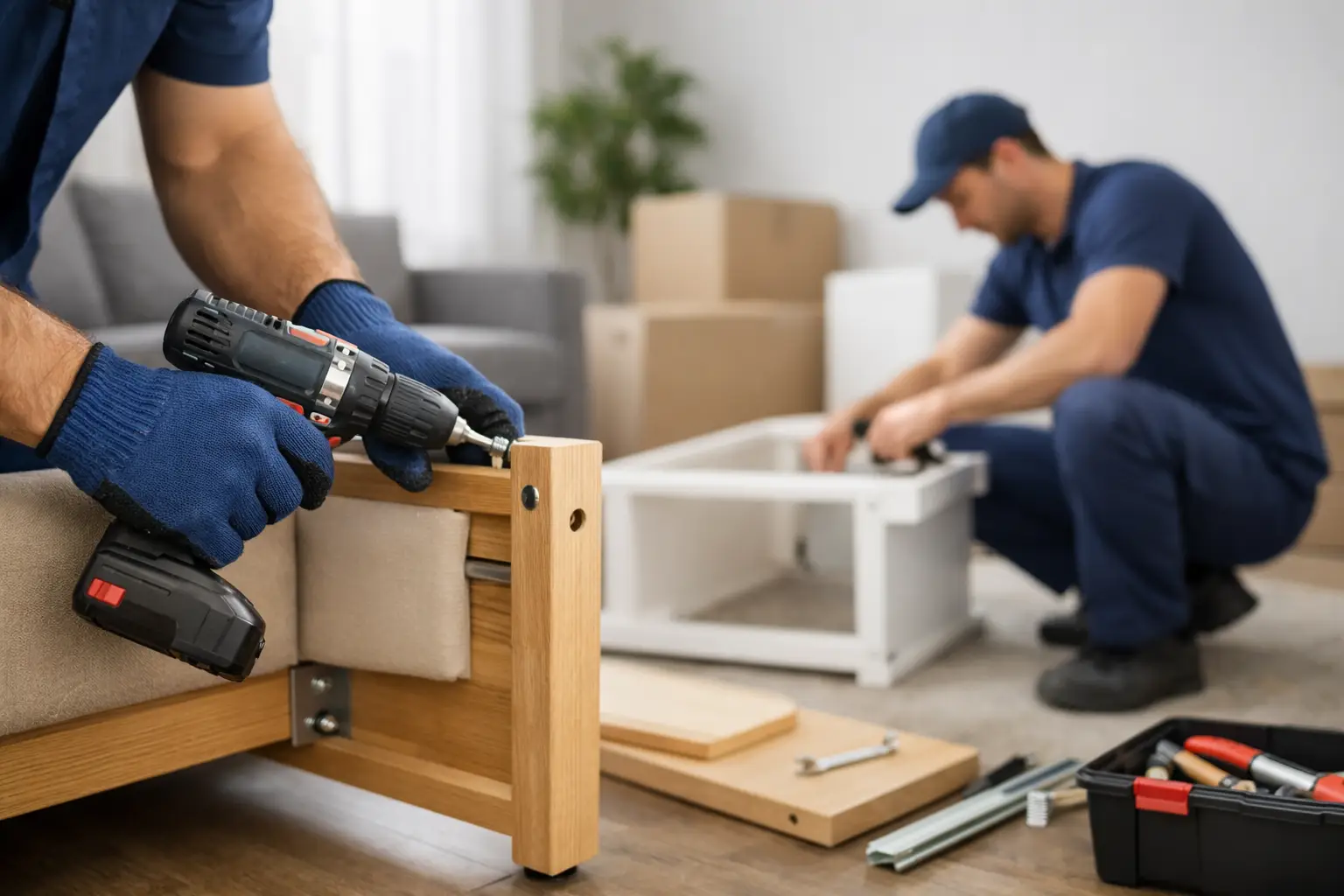
A wardrobe that will not clear the landing and a bed frame bolted together years ago can turn a straightforward move into a long, expensive day. If you are asking can movers dismantle furniture, the short answer is yes - many do - but not every moving company includes it as standard, and not every item should be taken apart.
For most home moves, dismantling is a practical add-on rather than a specialist job. Beds, dining tables, large desks, wardrobes and some sofas often need to come apart to get through tight hallways, staircases and door frames. A professional removals team will usually assess this in advance or on arrival, then decide what needs dismantling for safe loading and transport.
Can movers dismantle furniture as part of a move?
Yes, movers can dismantle furniture, but the exact service depends on the company, the item and the time allowed for the move. Some removals firms include basic dismantling and reassembly in the quote. Others charge separately, especially if the furniture is large, complex or likely to take extra labour.
This is where customers get caught out. They assume a removals booking covers everything from packing to taking apart a super king bed, then find out on moving day that only loading and transport were included. The safest approach is to ask directly what is covered before you book.
A reliable mover should be clear on a few points: whether dismantling is included, whether reassembly at the new property is also included, whether there is any extra cost, and whether there are limits on certain furniture types. Fixed-price quotes matter here because they reduce the risk of the day running over and adding avoidable costs.
What furniture do movers usually dismantle?
In most cases, movers are happy to dismantle standard household furniture that is designed to come apart without specialist joinery. Bed frames are one of the most common examples, followed by wardrobes, dining tables, office desks, shelving units and cot beds.
The reason is simple. Large furniture often travels more safely in sections. It is easier to protect, easier to carry, and less likely to scrape walls or get wedged in a stairwell. In older terraces, top-floor flats and narrow newer builds, dismantling can be the difference between a smooth move and damaged furniture.
Office moves follow the same logic. Meeting tables, workstations and storage units may need partial disassembly to speed up clearance and reduce handling risk. For small businesses, that can make the move quicker and keep disruption down.
When movers may refuse to dismantle furniture
Not every piece should be taken apart, and a good removals team will say so. Flat-pack units that have been assembled and disassembled several times can become weak. Older chipboard wardrobes, for example, may not survive another move once the fixings loosen. In that case, dismantling may increase the chance of breakage rather than reduce it.
Movers may also refuse items that need specialist trades rather than standard removals handling. Fitted furniture, wall-mounted units, custom-built desks, or anything fixed into masonry often falls outside a normal moving service. The same goes for furniture with integrated electrics, glass panels that need careful workshop handling, or valuable antiques where disassembly could affect the finish or structure.
If the item is already damaged, tell the mover in advance. A professional team can still advise the safest way to transport it, but they need warning. Springing it on them on the day wastes time and can affect the plan for the whole move.
What to ask before booking
If dismantling matters, do not leave it as an assumption. Ask the removals company to list the items they will dismantle and reassemble, and make sure this is reflected in your quote.
It also helps to say where the furniture is located and whether access is awkward. A wardrobe on a first floor with a tight turn on the stairs is different from one standing in a wide ground-floor room. Photos can help a mover judge what tools and staff are needed.
The key questions are straightforward. Will you dismantle and reassemble furniture? Is it included in the fixed price? Are there any items you will not take apart? Do I need to empty drawers or remove contents first? The clearer this is upfront, the smoother the day runs.
How dismantling affects time and cost
Furniture dismantling adds labour, so it can affect both schedule and price. That does not automatically make it expensive. In many cases, paying for a team to do it is better value than trying to do it yourself the night before, losing screws, and delaying the move the next morning.
The cost usually depends on how many items need work, how complex they are and whether reassembly is needed at the destination. A bed frame and a small desk are one thing. Several wardrobes, office stations and shelving systems are another.
This is where a transparent quote matters. If a mover prices the dismantling properly from the start, you can compare like for like. If it is left vague, the final bill can become harder to predict.
Should you dismantle furniture yourself first?
Sometimes yes. If you are confident, have the right tools and can keep fixings organised, doing some basic dismantling in advance may save time. Simple jobs such as removing table legs or taking the headboard off a bed can be manageable.
But there is a trade-off. Self-dismantling can create delays if parts are not labelled, bolts go missing or panels are left unprotected. Some customers also underestimate how long it takes, especially when moving under pressure after work or at short notice.
If you do handle it yourself, keep all fixings in labelled bags and tape them securely to the relevant furniture where possible. Take quick photos before disassembly. That makes reassembly far easier later.
Reassembly matters just as much
Getting furniture apart is only half the job. Reassembly at the new property is what makes the move feel finished. A professional service should be clear on whether the same team that dismantles the furniture will rebuild it at the other end.
This matters most with beds, wardrobes and desks that you need straight away. After a long moving day, few people want to spend the evening rebuilding essential furniture from scratch. If you have children, a home office or a next-day work schedule, reassembly is not a luxury. It is part of getting the property usable again.
For that reason, many customers prefer an end-to-end mover rather than a basic transport-only service. If the team can pack, move, dismantle and reassemble, there are fewer gaps and fewer chances for miscommunication.
Can movers dismantle furniture safely?
Yes, provided the job is within their service scope and planned properly. Safe dismantling is about more than a screwdriver set. It involves protecting surfaces, keeping fixings together, lifting correctly and loading the pieces so they do not shift in transit.
A fully insured removals company brings another layer of reassurance. If a large item genuinely needs dismantling to move safely, it is often better handled by trained movers than forced through a doorway in one piece. Rushing heavy furniture through tight spaces is how walls get marked, banisters get damaged and joints get weakened.
That said, safe dismantling also depends on the furniture itself. Cheap flat-pack pieces, badly repaired units and old items with hidden weakness may still be vulnerable. A good mover should tell you honestly when an item carries extra risk.
The practical answer for moving day
If you are moving house or relocating a small office, assume furniture dismantling is possible but not automatic. Confirm it early, list the items clearly and get the service written into your quote. That gives the removals team time to plan labour, tools and vehicle space properly.
For customers who want the simplest route, a company such as HomeGo Removals & Packing Ltd can make more sense when the service includes transport plus practical extras like packing and furniture assembly. It saves juggling separate jobs and keeps the move under one plan.
The best moving arrangements are rarely the cheapest on paper alone. They are the ones that avoid delays, protect your furniture and get you settled faster. If a bed, wardrobe or desk needs to come apart, it is usually worth dealing with it properly rather than hoping it will somehow fit on the day.
Get a free fixed written quote in 2 mins
Insurance up to £50,000 included · No cancellation fees · Free dismantling & reassembly
AI-assisted article — Drafted by HomeGo's AI content system and reviewed by our editorial team. Source-linked facts, real local knowledge from .

AI-assisted article reviewed by HomeGo's editorial team.
Reviewed & fact-checked by Allah Nazar Ihsan — Founder & Managing Director, HomeGo Removals & Packing Ltd
Planning your move?
Get a free, no-obligation written quote from Berkshire's trusted independent removers. We're answering the phone right now — 24 hours a day, 7 days a week.