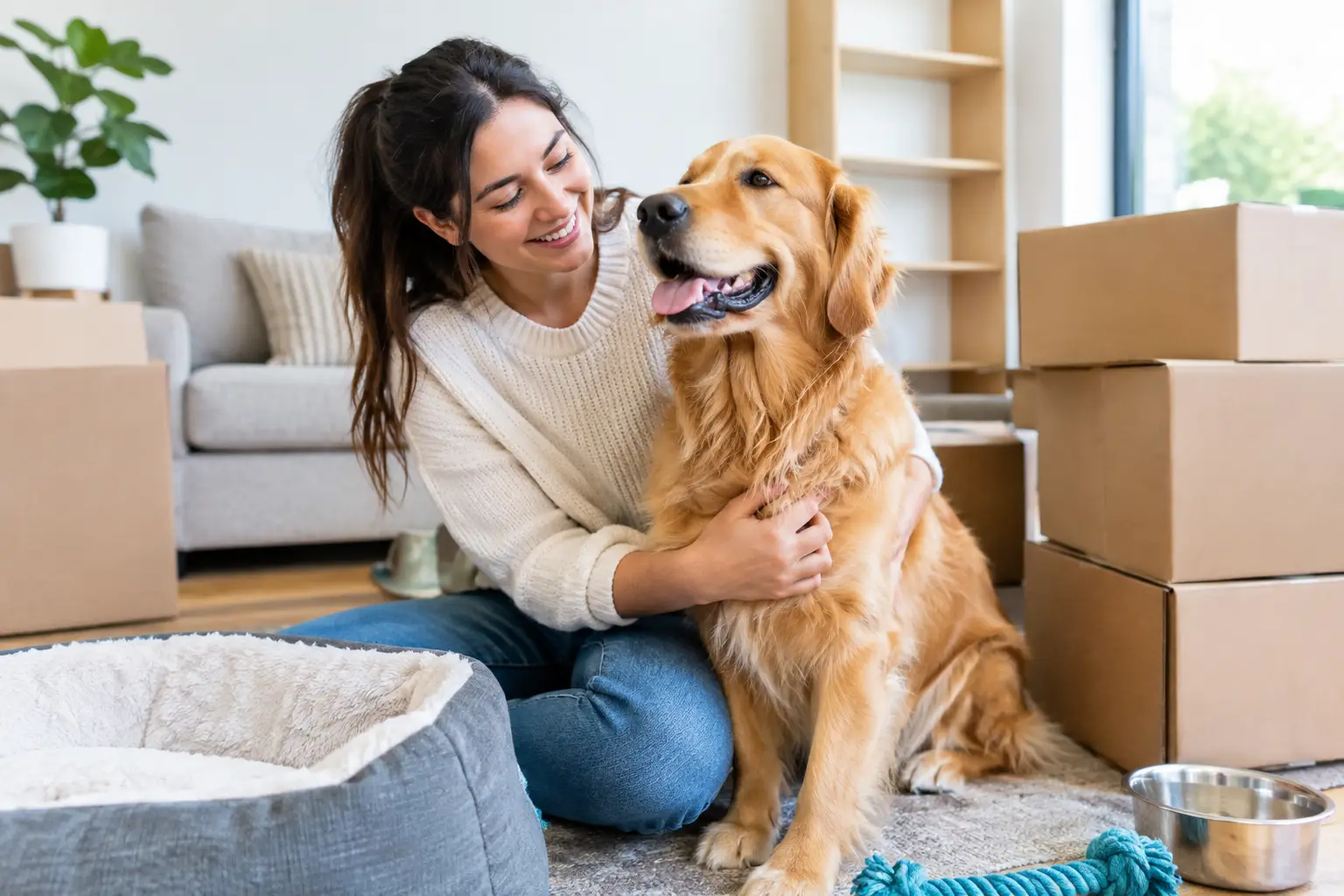
How to Move With Pets Without the Stress
Learn how to move with pets safely, from packing and travel plans to settling into your new home. Practical advice for a calmer moving day with care.
A moving day can feel noisy and unfamiliar long before the first box leaves the house. For dogs, cats and small pets, that disruption can be unsettling. Knowing how to move with pets means planning around their routine, keeping them away from the busiest parts of the move and giving them a calm place to settle at the other end.
The practical rule is simple: your removal team moves your belongings, while you stay responsible for your pet’s comfort, safety and travel arrangements. A little preparation prevents escaped cats, anxious dogs and last-minute searches for essential supplies.
How to move with pets: plan before packing starts
Do not leave pet arrangements until moving day. As soon as you have a likely moving date, make a plan for where your pet will be during packing, loading, travelling and unloading. The best option depends on their temperament, the distance involved and how busy the property will be.
A confident dog may be happier spending the day with a family member, at a familiar dog day-care setting or in a quiet room away from the front door. Cats generally cope better when kept in one secure, closed room with their carrier, litter tray, water and bedding. Rabbits, guinea pigs, hamsters and birds need stable temperatures and a quiet environment, well away from open doors and stacked boxes.
If you are moving locally around Berkshire, Surrey, London or nearby counties, it can be tempting to make repeated short trips with a pet. Usually, one planned journey is less disruptive than several. For a longer relocation, build in proper breaks for dogs and check ahead that your overnight stop or new property accepts animals.
Book a vet appointment if your pet is due vaccinations, medication or a health check. Ask for copies of relevant records, particularly if you are travelling a long distance or moving abroad later. Make sure microchip details and ID tag information are current before the move, not after it.
Keep packing familiar, not frantic
Pets notice changes in their home quickly. Cardboard boxes, moved furniture and strangers at the door can make even relaxed animals anxious. Start packing non-essential rooms early so there is less activity in the final 48 hours.
Keep your pet’s bed, favourite blanket, toys, bowls and feeding routine unchanged for as long as possible. Do not wash familiar bedding immediately before the move unless necessary. The familiar scent can offer reassurance in a new place.
Prepare a pet essentials bag or box that travels with you, never in the removals vehicle. Include food, treats, water, bowls, medication, a lead or harness, poo bags, a towel, cleaning supplies, vet contact details and any paperwork. For cats, add litter, a litter tray and a scoop. For smaller pets, take enough bedding, food and suitable water containers for the journey and the first night.
This is also the time to check that carriers are safe. A carrier should be secure, well ventilated and large enough for the animal to turn around comfortably. If your cat only sees its carrier when something unpleasant is about to happen, leave it open with a blanket and treats inside for a few days beforehand. That will not suit every pet, but it can reduce the panic on moving day.
Set up a safe room on moving day
The most common risk during a house move is an animal slipping out through an open door. Removal work involves regular loading, unloading and doors being left open. A pet should not have access to those areas.
Choose one room that can stay closed until the property is empty. Put a clear note on the door saying that a pet is inside and that it must remain shut. Keep your pet’s carrier, water, bed and essential items there. For dogs that become distressed by household noise, arranging for them to stay elsewhere is often kinder than keeping them on site.
Tell the removal team at the start of the job that you have a pet and which room is off limits. A professional team can work around that requirement, but they need to know before loading begins. If you have booked packing support, arrange for the safe room to be packed last.
Avoid feeding a large meal just before travel, especially if your pet gets car sick. Offer water regularly, and follow your vet’s advice if your pet has a medical condition or known travel anxiety. Sedation is not a routine answer for nervous animals and should only be considered following veterinary guidance.
Travel safely to the new home
Pets should travel with you where possible, in a secure carrier or restrained safely in the car. They should not travel loose in a removal van or lorry, even on a short journey. Temperature changes, unsecured furniture and frequent stops make that unsafe.
For dogs, use a properly fitted travel harness or crate and take breaks on longer trips. Keep them on a lead before opening the car door, even if they are normally reliable off lead. An unfamiliar service station or lay-by is not the place to test recall.
Cats should remain in their carrier for the journey. Opening the door to comfort an upset cat can quickly turn into a difficult search in an unfamiliar car park. Speak calmly, keep the carrier covered lightly if that helps them relax and wait until you are inside a secure room before opening it.
Small animals need extra care around heat and cold. Keep their carrier level, avoid direct sunlight and never leave them unattended in a parked vehicle. If the weather is extreme, adjust the travel timing if you can.
Give your pet one room before giving them the house
When you arrive, resist the urge to let your pet explore immediately. The new property may have open doors, unfamiliar smells, unpacked furniture and escape routes you have not yet spotted. Set up a quiet room first, using their usual bed, bowls, toys and food.
For dogs, a short lead walk around the garden and a calm indoor introduction can work well. Check gates, fences and side access before letting them off lead. Even dogs that are usually secure can try to return to their old home or bolt when startled by a new sound.
Cats should usually stay in one room for several days, sometimes longer. Let them set the pace. Once they are eating, using the litter tray and behaving normally, allow access to one additional area at a time. Keep cats indoors for an appropriate settling-in period before allowing outdoor access, and make sure their microchip details are updated first.
With rabbits, guinea pigs and similar pets, keep the enclosure arrangement as consistent as possible. Put food, water, hides and bedding in familiar positions. Do not place them beside loud appliances, radiators or a busy hallway simply because space is limited during unpacking.
Expect a settling-in period
A pet does not need to be visibly distressed for a move to affect them. Some animals become clingy, hide more than usual, lose their appetite briefly or have changes in toileting behaviour. Calm routines make the biggest difference: regular meals, familiar walks, quiet time and the same basic rules as before.
Try not to rearrange the entire home repeatedly during the first week. If you are still unpacking, keep your pet’s main area stable. Visitors can wait if your animal is anxious. For cats in particular, a quieter first few days often leads to a faster adjustment than forcing interaction.
Contact a vet if your pet stops eating, appears unwell, has ongoing digestive upset or shows severe anxiety. A short settling-in phase is normal; persistent changes need professional advice.
Use removal support to reduce the pressure
The less time you spend carrying furniture, dismantling beds and making extra vehicle trips, the more attention you can give your pet. Professional packing, furniture assembly and a properly planned removals service can make a real difference where animals are involved.
HomeGo Removals & Packing Ltd can work around a designated pet-safe room and provide fixed-price, fully insured moving support for planned and short-notice moves. The key is to mention your pet arrangements when booking, so the moving plan reflects how the property needs to operate on the day.
Your pet will not understand why the home is changing, but they will recognise your routine, your voice and their familiar belongings. Give them a protected space, travel safely and let them settle at their own pace. That is usually the calmest way to begin life in a new home.
Get a free fixed written quote in 2 mins
Insurance up to £50,000 included · No cancellation fees · Free dismantling & reassembly

Our team of fully-insured removal specialists helps families across Slough, Windsor, Maidenhead and the wider Berkshire area move home every week. We pack, load, drive and unload boxes every day — every guide on this blog comes from real jobs, not theory.
Reviewed & fact-checked by Allah Nazar Ihsan — Founder & Managing Director, HomeGo Removals & Packing Ltd
Planning your move?
Get a free, no-obligation written quote from Berkshire's trusted independent removers. We're answering the phone right now — 24 hours a day, 7 days a week.