How to Prepare for Packing Service Before Moving
Learn how to prepare for packing service, protect valuables, and keep moving day on schedule with practical steps before your packing team arrives early.
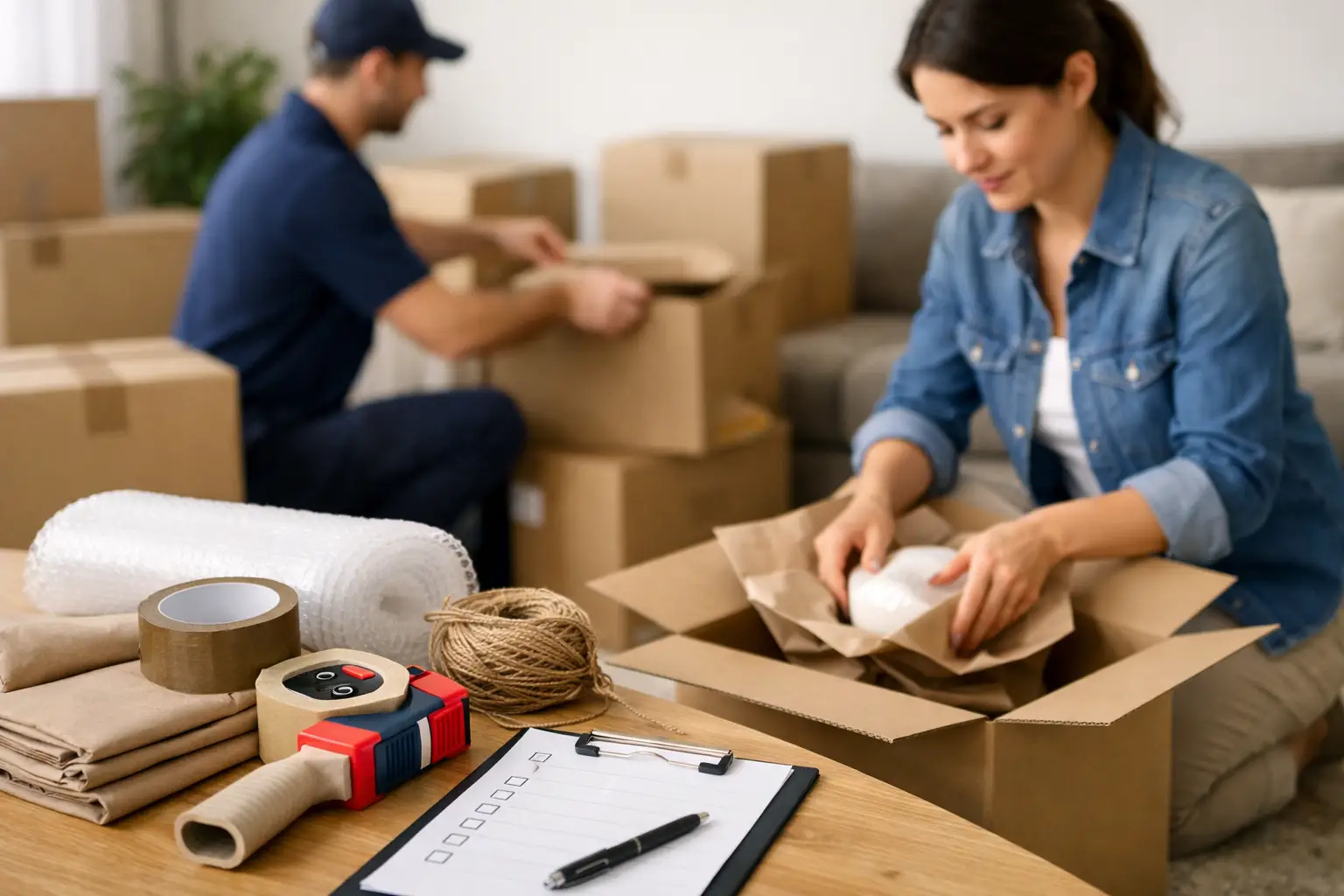
A professional packing team can save hours of work, reduce breakages and make moving day far easier. But knowing how to prepare for packing service still matters. The better your home is prepared before the team arrives, the quicker they can work, the clearer the instructions will be and the less likely essential items are to go missing in a box.
Packing professionals handle the wrapping, labelling and loading preparation. Your job is to decide what is moving, what is not, and what needs special attention. This is especially useful for busy households, landlords preparing a property handover and businesses relocating on a tight timetable.
Confirm exactly what the packing service includes
Start with the scope of the booking. A full packing service normally covers most household contents, including kitchenware, books, clothes, ornaments and general furniture contents. A part-packing service may focus on fragile items, the kitchen or selected rooms, while you pack the rest yourself.
Ask what time the team is due to arrive, whether they will bring all packing materials and whether packing takes place the day before removal or on the same day. The answer depends on the size of the move, access at both properties and how much needs to be packed. A larger family home often benefits from packing the day before, giving removal day a cleaner, more predictable schedule.
Be clear about any additional work you need. This could include dismantling beds, wrapping artwork, protecting a large television, packing a storage unit or assembling furniture at the new address. Raising these points before the booking helps you receive an accurate fixed-price quote and avoids last-minute changes.
How to prepare for packing service room by room
You do not need to pre-pack the entire house. In fact, packing items into random boxes can slow professional packers down because they must check what is inside and may need to repack it safely. Instead, make each room accessible and separate the things that should not be packed.
Clear floors, stairs and hallways so the team can move around safely. Put loose paperwork, shopping bags, laundry and everyday clutter into one place if you have not decided whether it is moving. The aim is not to make the property perfect. It is to make decisions visible.
In the kitchen, remove food that is open, out of date or unlikely to travel well. Keep enough plates, mugs and utensils for the final day, then place them in a clearly marked area so they are not packed too soon. Empty bins before the team arrives. This prevents unpleasant smells and avoids wasted space in the moving lorry.
In bedrooms, separate the clothes and toiletries you will need for the first few days. Wardrobe cartons may be used for hanging clothes, but you should still keep aside your moving-day outfit, pyjamas, medication and chargers. Children should also have a small bag with familiar essentials, particularly if the move involves a long journey or an unsettled first night.
For garages, sheds and lofts, check access before the appointment. These areas often contain sharp tools, loose paint, garden equipment or items that have not been touched for years. Tell the packers about them in advance, especially if there are heavy, awkward or dirty items. It helps the team plan the right protection and loading order.
Decide what is not going in the boxes
The most common packing issue is not poor wrapping. It is packing something the customer needed to keep with them. Create a clearly marked "do not pack" area in one room, or use a suitcase and keep it in your car if possible.
Keep passports, driving licences, tenancy documents, house-sale papers, keys, bank cards, cash and jewellery with you. The same applies to prescription medication, hearing aids, laptops, personal hard drives and anything you need for work immediately after the move.
It is sensible to separate an overnight bag and a first-night box. Include basic toiletries, phone chargers, a kettle, tea or coffee, toilet roll, cleaning cloths, snacks, pet supplies and a small toolkit. You may not unpack every labelled carton on the first evening, even when the removal runs smoothly.
Some items cannot safely travel in a removal vehicle or are best dealt with separately. Check this before packing day. Common examples include:
- Flammable liquids, fuel, gas bottles and fireworks
- Bleach, corrosive chemicals and some aerosols
- Open food, leaking containers and rubbish
- Plants that may spill soil or require special handling
- Valuables, documents and personal medication
If you are unsure about a particular item, ask before the team arrives. A quick question is better than finding out at the door that an item cannot be loaded.
Make special items easy to identify
Professional packers use suitable materials and methods for fragile belongings, but they still need to know what deserves extra care. Point out antiques, artwork, mirrors, glass display cabinets, delicate lamps, musical instruments and high-value electronics. Do not assume that an item’s value is obvious from its appearance.
Take photographs of valuable items before packing, particularly if they have existing marks or damage. This gives you a clear record of condition and can be useful for insurance purposes. If you have an inventory, keep it simple: item, condition, location and any handling instruction.
For televisions and computers, remove loose accessories and put remotes, cables and screws into labelled bags. Photograph the cable setup first if it is complicated. This saves time when reconnecting equipment in the new property, particularly for home offices and small business moves.
You should also tell the team about furniture that is unusually heavy, has loose parts or needs dismantling. Flat-pack wardrobes, wall-mounted TVs and large beds take planning. Some pieces are best dismantled before loading, while others are safer moved intact. It depends on stair access, door widths and the item’s condition.
Prepare access at both addresses
A well-packed move can still be delayed by poor access. Reserve parking as close as possible to the property, check restrictions and arrange permits where required. This is particularly relevant for moves in Reading, Slough, London and other busy areas where parking bays, loading limits and narrow roads can affect timing.
Measure awkward routes if you have large furniture. Check front doors, internal doors, staircases, lifts and tight turns. Let the removal company know about top-floor flats, no-lift buildings, long walks from parking to the entrance, gated developments and limited loading times. These details affect the team size, equipment and schedule.
At the new property, make sure utilities are arranged where possible and that you have the keys before the lorry is due to arrive. Decide where major furniture will go before unloading starts. A simple room plan helps avoid carrying a heavy wardrobe upstairs, then bringing it back down because it blocks a radiator or does not fit the intended wall.
Be available for decisions, not for lifting
You do not need to stand over the packing team, but someone should be available to answer questions. A professional crew may need confirmation about unlabelled cupboards, stored items, delicate belongings or furniture that looks similar but is staying behind.
Walk through the property together at the start. Show the team the rooms being packed, the items excluded from the move and anything requiring special handling. Then give them space to work. Repeated changes to what is staying and going can create confusion, especially when packing and removal are happening under time pressure.
Before the team leaves, check cupboards, loft hatches, garages, sheds and outdoor storage. Open drawers in furniture that is staying behind and confirm that nothing important has been missed. It is much easier to find a document or spare key before the lorry departs than after you are at the new address.
Keep the final day realistic
Packing services reduce the physical workload, but they do not remove every moving-day task. You may still need to defrost a freezer, arrange care for children or pets, return keys, take meter readings and complete a final clean. Plan these jobs early rather than trying to do them while packers are working around you.
If your move is urgent, prioritise the decisions that affect safety and access: what is moving, what is excluded, where the lorry can park and who has the keys. The rest can be handled with a clear plan and good communication. HomeGo Removals & Packing Ltd can provide practical support for planned and short-notice moves, with fully insured teams, fixed-price quotes and flexible availability.
A packing service works best when the home is ready for decisions rather than already full of boxes. Keep essentials with you, give clear instructions and make access straightforward. That gives the packing team the space to do what you hired them to do: protect your belongings and get your move moving.
Get a free fixed written quote in 2 mins
Insurance up to £50,000 included · No cancellation fees · Free dismantling & reassembly
AI-assisted article — Drafted by HomeGo's AI content system and reviewed by our editorial team. Source-linked facts, real local knowledge from .

AI-assisted article reviewed by HomeGo's editorial team.
Reviewed & fact-checked by Allah Nazar Ihsan — Founder & Managing Director, HomeGo Removals & Packing Ltd
Planning your move?
Get a free, no-obligation written quote from Berkshire's trusted independent removers. We're answering the phone right now — 24 hours a day, 7 days a week.