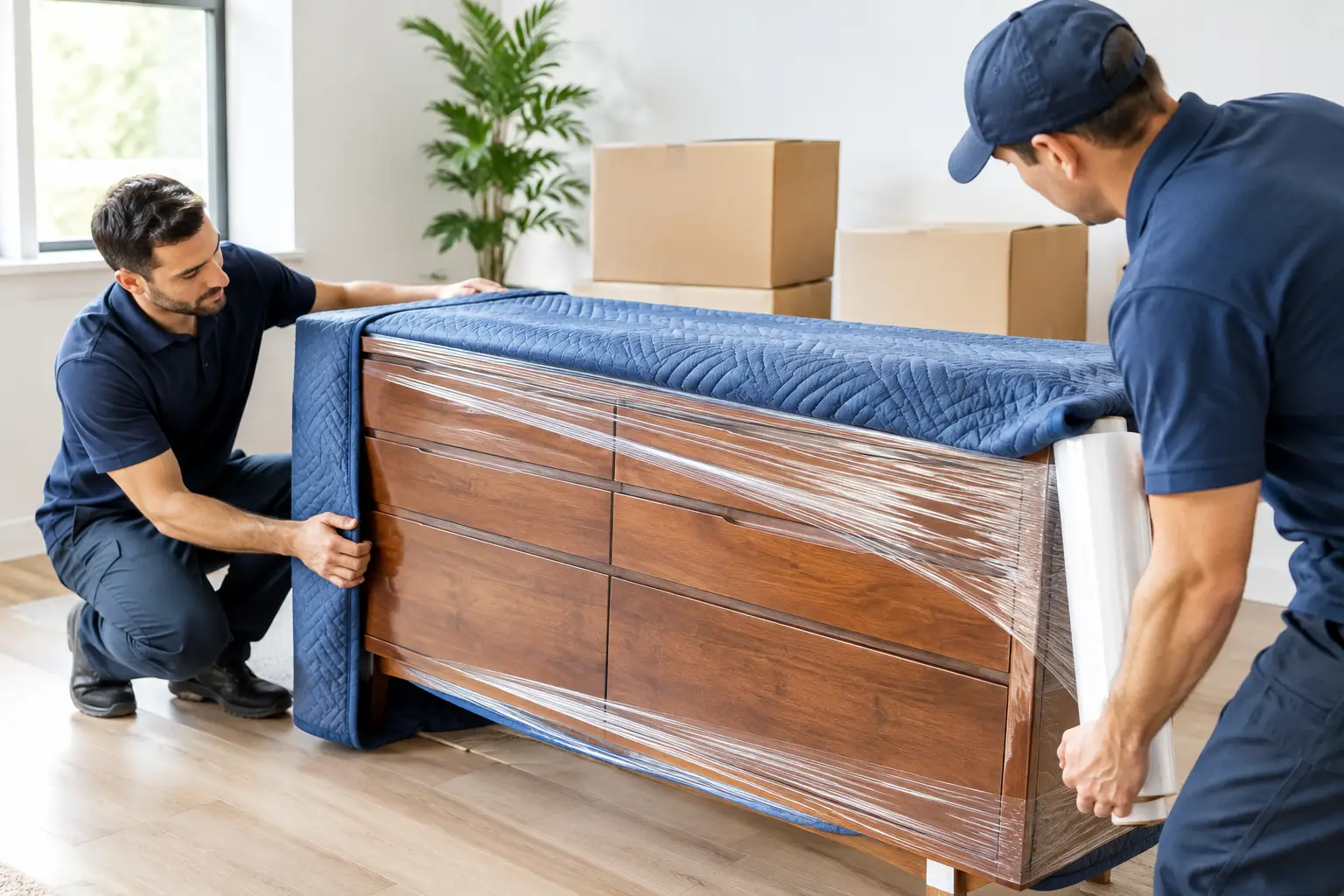
How to Protect Wooden Furniture When Moving
Learn how to protect wooden furniture from scratches, damp and impact during a move, with practical packing and handling advice for every room safely.
A wooden dining table can pick up a deep scratch in seconds when it is dragged across a hall, rubbed against a van wall or stacked beneath the wrong item. Knowing how to protect wooden furniture before moving day helps prevent avoidable damage, whether you are moving a single sideboard, a rented flat or a full family home.
The right approach depends on the finish, age and value of each piece. Solid oak, veneer, painted furniture and antiques do not all need the same treatment. The goal is simple: keep surfaces clean and dry, stop parts from moving, cushion every contact point and make sure the furniture is carried properly.
Prepare wooden furniture before packing
Protection starts before any blankets or wrap come out. Dust, grit and small crumbs can act like sandpaper once a cover is pulled over the surface. Wipe furniture with a soft, dry microfibre cloth, then allow it to air dry fully if it has been cleaned with any product.
Do not apply fresh polish, wax or oil immediately before a move. These products can leave a surface tacky and make protective wrapping stick, especially in warm conditions. If a piece has recently been refinished or painted, check that the finish has cured fully. Dry to the touch is not always the same as ready to transport.
Empty drawers, cupboards and display cabinets. This reduces weight, prevents internal shelves from shifting and stops handles or runners taking unnecessary strain. Pack drawer contents separately in labelled boxes. For lightweight drawers that cannot be removed, secure them closed with low-tack tape over a protective layer, not directly onto finished wood.
Take photographs of valuable or already marked furniture before packing. They provide a useful condition record and help you remember how detachable parts, such as shelves or table leaves, fit back together.
How to protect wooden furniture with the right materials
Furniture blankets are the main defence against knocks and rubbing. Use clean, dry moving blankets and cover every exposed wooden surface, including legs, corners and undersides. Secure the blanket with packing tape, stretch wrap or straps around the blanket itself. Never wrap tape directly around polished, painted or veneered wood.
Stretch wrap is useful for keeping blankets in place and securing doors or drawers. It should not be the only protective layer. Plastic against wood can trap moisture and condensation, particularly if furniture is moved on a wet day or stored in a cold garage. Place a breathable blanket or paper layer between the timber and the plastic.
For sharp corners, use cardboard corner protectors or several layers of corrugated cardboard beneath the blanket. Table legs, carved edges and projecting handles are especially vulnerable. Remove handles, knobs and loose glass where practical, place the fittings in a clearly labelled bag and keep it with the relevant item.
Avoid using newspaper directly on finished furniture. Ink can transfer when damp, and the paper offers little cushioning. Bubble wrap can protect small detachable parts, but it is not ideal directly against delicate finishes for a long period, particularly in heat.
Protect different types of wooden furniture
Solid wood furniture is generally strong but can still dent, split or react to moisture. Support it evenly when lifting and avoid laying a heavy item across an unsupported top.
Veneered furniture needs more care. A thin decorative layer can chip at corners or lift if it gets wet. Keep it dry, protect edges thoroughly and do not overtighten straps or wrap.
Painted furniture is vulnerable to scuffs and paint transfer. Use clean blankets, not coloured textiles that may bleed, and avoid pressing one painted surface tightly against another.
Antique furniture may have weakened joints, old glue or delicate inlays. It should be assessed before lifting. In some cases, removing a marble top, mirror, glass panel or loose shelf is safer than moving the item as one piece.
Disassemble where it reduces risk
Large furniture is easier to protect when it is broken down sensibly. Remove table legs if they are designed to come off, take bed frames apart and detach headboards where possible. This reduces the chance of catching door frames, stair rails and van entrances.
Do not force disassembly on old or poorly built furniture. A wardrobe that has held together for years may not respond well to being taken apart. If joints are glued, seized or unstable, leave the structure intact and concentrate on careful wrapping and handling.
Keep screws, bolts and fittings in separate labelled bags. Tape the bag to the wrapped furniture only if there is a protective layer beneath it, or place all fittings in one clearly marked moving box. Put assembly instructions and specialist tools with the fittings rather than relying on memory at the new property.
Carry and load furniture properly
Even perfect wrapping will not compensate for poor lifting. Lift from the strongest structural points, usually the lower frame or solid base, rather than handles, drawers, decorative rails or thin tops. Two people should carry bulky furniture whenever its size, weight or shape makes it awkward.
Use a furniture dolly for heavy cabinets and sideboards, but make sure the item is padded and stable before moving it. On stairs, plan the route first. Measure tight turns, remove obstacles and protect vulnerable walls or bannisters if needed. Rushing is when corners hit plaster and furniture hits corners.
Inside the removal vehicle, wooden pieces should not be placed directly against bare metal, hard plastic or unsecured items. Stand mattresses, sofas or blanket-covered larger pieces between furniture where appropriate. Keep heavy items low and distribute weight evenly.
Secure each item so it cannot slide, tip or rub during braking and cornering. Straps should hold the blanket-covered furniture in place without crushing legs, doors or delicate moulding. Never stack heavy boxes on a wooden tabletop, chest of drawers or cabinet unless the item is specifically designed to carry that weight.
Keep wood safe from damp and temperature changes
Rain is an obvious risk, but damp can also come from wet paving, muddy shoes, condensation and a damp storage unit. Cover routes where possible, use a dry blanket layer and move wooden furniture into the vehicle promptly. If a blanket becomes soaked, replace it rather than leaving wet fabric against the wood.
At the new property, do not unpack furniture straight into a damp garage, unheated shed or room with an active leak. Wood expands and contracts with changes in humidity, which can affect drawers, joints and veneers. Give cold furniture time to adjust before placing it beside a radiator or lighting a fire nearby.
If furniture must go into storage, choose a dry, secure space and raise pieces slightly off the floor using pallets or blocks. Leave a little air circulation around wrapped items. Fully sealed plastic wrapping is a poor choice for long-term storage because it can hold moisture against the finish.
Do not forget furniture after the move
Once in place, remove protective materials carefully rather than pulling them away quickly. Check corners, legs and joints before reassembling anything. If drawers are stiff after a move, allow the furniture to acclimatise for a day or two before assuming there is a fault.
Use felt pads under table and chair legs, especially on hard flooring. Keep wooden furniture away from direct, prolonged sunlight where possible, and wipe spills quickly with a dry cloth. These small habits protect the finish long after the boxes have gone.
For a move involving heavy wardrobes, antiques, large dining tables or awkward access, professional packing and carrying can remove much of the risk. HomeGo Removals & Packing Ltd can provide practical protection, careful loading and insured moving support, including short-notice moves.
A well-made wooden piece can last for generations, but it only needs one poorly planned lift or damp blanket to leave a lasting mark. Give each item the protection its material and condition deserve, then move it steadily rather than quickly.
Get a free fixed written quote in 2 mins
Insurance up to £50,000 included · No cancellation fees · Free dismantling & reassembly

Our team of fully-insured removal specialists helps families across Slough, Windsor, Maidenhead and the wider Berkshire area move home every week. We pack, load, drive and unload boxes every day — every guide on this blog comes from real jobs, not theory.
Reviewed & fact-checked by Allah Nazar Ihsan — Founder & Managing Director, HomeGo Removals & Packing Ltd
Planning your move?
Get a free, no-obligation written quote from Berkshire's trusted independent removers. We're answering the phone right now — 24 hours a day, 7 days a week.