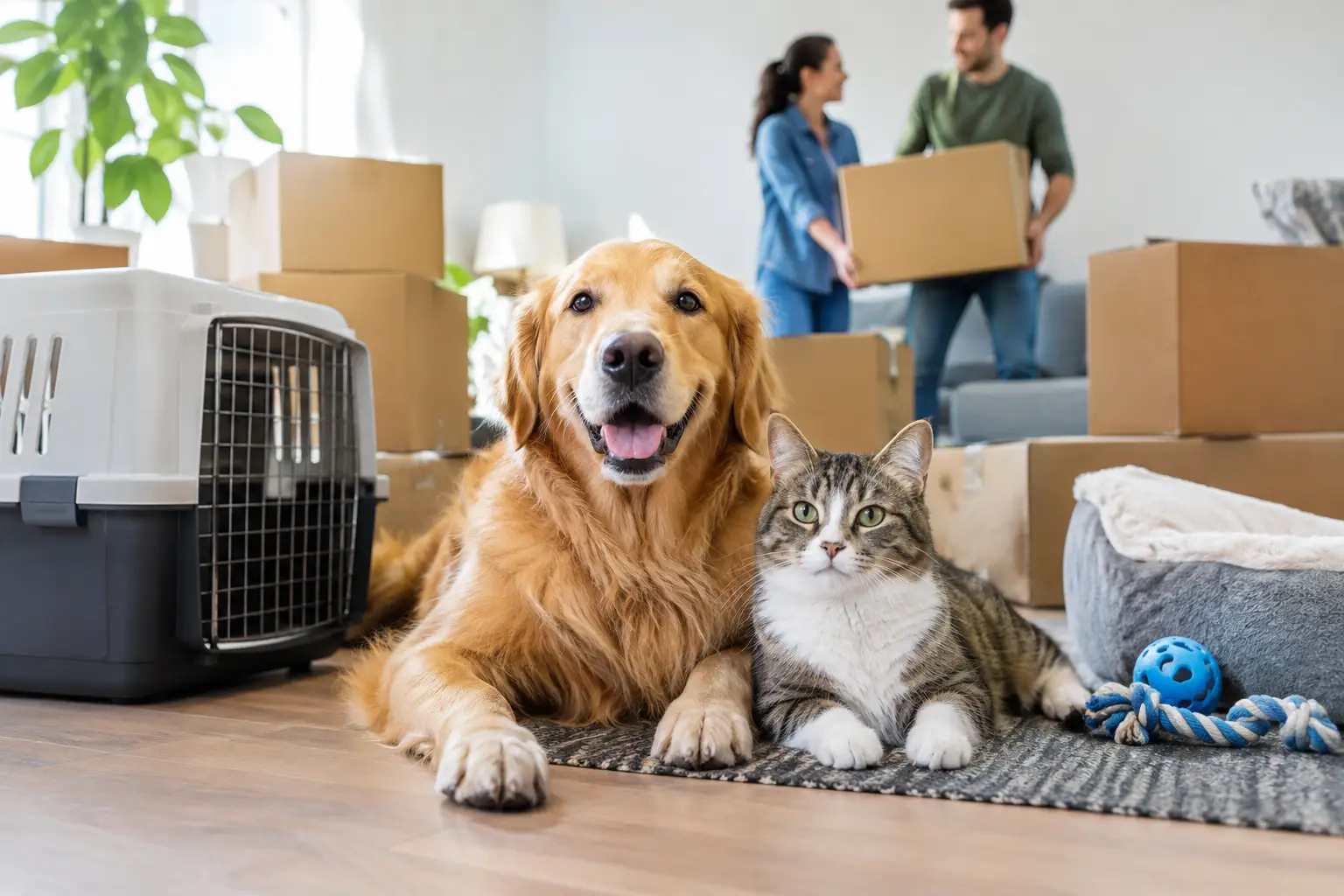
Moving With Pets: A Practical Moving Plan
Moving with pets is easier with a calm plan. Prepare your animal, travel safely and settle them into your new home with less stress and disruption today.
The removal team can load every box correctly, but your pet still needs a separate moving plan. Dogs, cats, rabbits and other animals notice unfamiliar smells, disrupted routines and open doors long before the lorry leaves. When moving with pets, keeping them safe and calm is not an extra job to leave until the morning - it is one of the main jobs.
A little preparation protects your animal, prevents last-minute delays and gives you more control on an already busy day. The right approach depends on the pet, the journey length and whether you are moving straight into a settled home or dealing with a gap between properties.
Plan moving with pets before packing starts
Start by checking that your pet’s identification details are current. Dogs must be microchipped, while microchipping is also a sensible safeguard for cats and other suitable pets. Confirm that the contact details connected to the microchip are correct, and make sure their collar tag shows a current mobile number. A move is one of the times when a normally settled animal is most likely to bolt.
If your pet is registered with a vet, arrange for its records to be transferred or ask for a copy before you move. This is particularly useful if your animal needs regular medication, has a long-term condition or may need treatment soon after arrival. Find a local vet near the new address in advance rather than searching while worried and tired.
Keep normal feeding, walking and sleeping routines as steady as possible during the weeks before the move. You do not need to hide every box, but avoid changing food, bedding, litter or exercise habits at the same time. For anxious animals, introduce the travel carrier early. Leave it open with a familiar blanket and a few treats inside so it does not only appear immediately before a car journey.
Create a pet-safe space on moving day
The busiest point of a house move is usually when doors are held open and people are carrying furniture through the property. This is not a safe environment for a pet. The best option is often for a friend, family member, pet sitter or kennel to look after them for the day. Your pet avoids the noise and you can focus on access, keys and the removal itself.
If they must stay at the property, set up one quiet, secure room well away from the moving route. Put a clear note on the door stating that a pet is inside and that the door must remain closed. Include water, food, medication, bedding, toys, a litter tray for cats and any comfort item they use regularly.
Do not let a dog wait tied up outside or leave a cat loose in an emptying house. Both can become distressed or escape. A carrier, crate or properly enclosed room is safer, even for pets that are usually relaxed at home.
Prepare a separate pet bag and keep it with you, not in the removal van. It should include enough food for at least a few days, bowls, water, leads, waste bags, cleaning supplies, bedding, toys, medication and veterinary paperwork. Add a recent photo of your pet, just in case they get lost. If you are moving with fish, reptiles, birds or small mammals, research their temperature and transport requirements early, as their needs can be more specialised.
Travel safely and keep control of the journey
Pets should usually travel with you rather than in a removal vehicle. They need regular checks, suitable ventilation and a predictable environment. More importantly, a removal team may make several stops, handle heavy items or arrive later than expected. Your animal should not be shut in a vehicle among boxes and furniture.
Use a secure carrier for cats and small pets. Dogs should travel in a properly fitted harness, travel crate or secured boot space with a guard, depending on their size and what suits them. Never allow a pet to roam freely around the car. It can distract the driver and makes escape at a service station or roadside stop far more likely.
For longer journeys, plan breaks for dogs in a safe area on lead, with water available. Cats are often more comfortable staying in their carrier until you reach the new property, provided the journey is not excessively long. It depends on the individual animal, so ask your vet for advice if your pet struggles with travel sickness or severe anxiety.
Avoid feeding a large meal immediately before setting off, especially if your pet gets carsick. Keep the car at a comfortable temperature and do not leave any animal unattended in it. Even mild weather can become unsafe inside a parked vehicle quickly.
Help your pet settle into the new home
Arriving first with your pet can make the first hour easier. Before unloading begins, put them into a prepared quiet room with the door shut. Use familiar bedding, food bowls and toys rather than buying everything new at once. Familiar scents tell an animal that this unfamiliar place is still safe.
For cats, keep them indoors for at least two to three weeks after moving. They need time to establish the new home as their territory and may try to return to the old address if allowed out too soon. Make sure windows, cat flaps and external doors are secure. Once you begin letting them outside, start with short, supervised periods where practical.
Dogs benefit from a calm walk around the immediate area once the main unloading has finished. Keep them on lead at first, even if they have reliable recall. New traffic patterns, neighbours’ dogs and unfamiliar boundaries can all affect how they respond. Maintain normal walk and meal times as closely as you can during the first few days.
With rabbits, guinea pigs and similar small animals, set up their enclosure before moving them from their carrier. Place it in a quiet area away from draughts, loud appliances and direct sunlight. Birds may need a covered cage during transport, while reptiles need carefully managed heat. These are cases where a quick call to an experienced vet or species specialist is worth the time.
Watch for stress after the move
A change in behaviour is common after a move. Your pet may hide, eat less, bark more, have accidents indoors or become unusually clingy. Give them space, keep visitors to a minimum and do not force interaction. Most animals settle as the routine becomes familiar.
However, do not dismiss every change as moving stress. Contact a vet if your pet stops eating, seems lethargic, has persistent vomiting or diarrhoea, struggles to breathe, cannot urinate, or shows behaviour that is becoming more severe rather than improving. Pets with existing medical needs may require extra monitoring through the first week.
It also helps to tell immediate neighbours that you have just moved in with a pet. They are more likely to understand a few unsettled barks and can contact you if they spot a cat outside before it is ready.
Make the removal plan work around your pet
When booking your move, tell the removals company that you have pets and explain any timing limits. For example, you may need a quiet period to collect your dog from day care, or you may want a particular room left closed until last. Clear information helps the crew work around your plan without confusion.
Professional packing can reduce the disruption at home because it shortens the time you spend living among open boxes and dismantled furniture. Furniture assembly at the new address can also help you get a bedroom or pet-safe room ready sooner. HomeGo Removals & Packing can support the practical side with fixed-price, fully insured moving and packing services, while you keep your focus on your animal’s routine.
A calm, organised first evening matters more to your pet than a perfectly unpacked house. Set up their food, water, bed and safe space first, then let the boxes wait until tomorrow.
Get a free fixed written quote in 2 mins
Insurance up to £50,000 included · No cancellation fees · Free dismantling & reassembly

Our team of fully-insured removal specialists helps families across Slough, Windsor, Maidenhead and the wider Berkshire area move home every week. We pack, load, drive and unload boxes every day — every guide on this blog comes from real jobs, not theory.
Reviewed & fact-checked by Allah Nazar Ihsan — Founder & Managing Director, HomeGo Removals & Packing Ltd
Planning your move?
Get a free, no-obligation written quote from Berkshire's trusted independent removers. We're answering the phone right now — 24 hours a day, 7 days a week.